The Importance of Strong Passwords in a Digital Age
onzlabs
July 10, 2024
4 min read
In an era where our lives are increasingly intertwined with the digital world, the importance of robust online security cannot be overstated. At the heart of this security lies a simple yet critical element: the password. This blog post delves into why strong passwords are your first line of defense against cyber threats and offers practical tips for creating and managing them effectively.
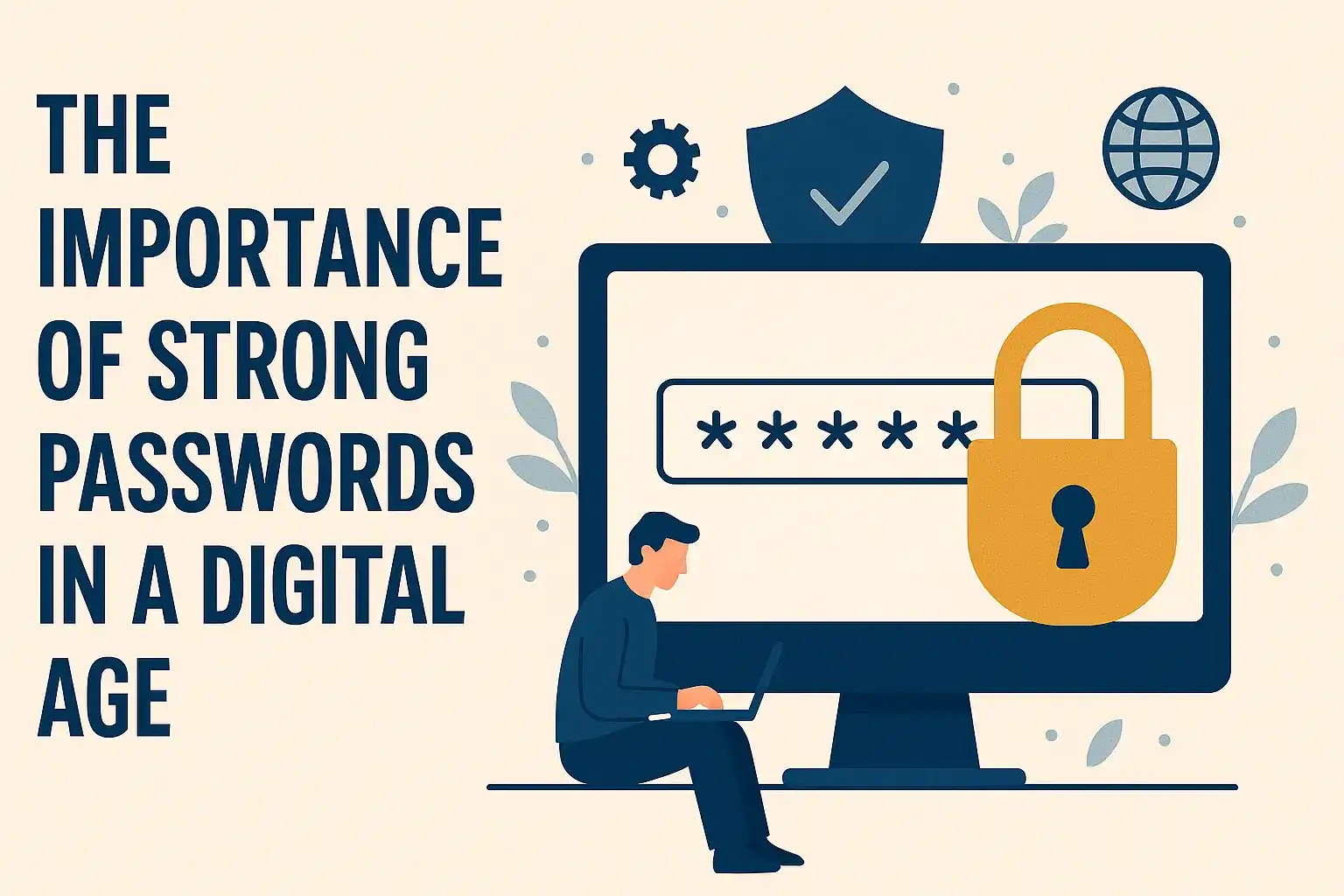
In an era where our lives are increasingly intertwined with the digital world, the importance of robust online security cannot be overstated. At the heart of this security lies a simple yet critical element: the password. This blog post delves into why strong passwords are your first line of defense against cyber threats and offers practical tips for creating and managing them effectively.
The Digital Fortress: Why Strong Passwords Matter More Than Ever
In today's interconnected landscape, almost every aspect of our lives, from banking and shopping to social interactions and professional work, is conducted online. Each of these digital touchpoints is protected by a password, making it the primary barrier between your sensitive information and malicious actors. A weak password is an open invitation for cybercriminals, who employ sophisticated tools and techniques to exploit vulnerabilities. These can range from brute-force attacks, where billions of password combinations are tried in seconds, to phishing scams designed to trick you into revealing your credentials.
Compromised passwords can lead to a cascade of devastating consequences: financial fraud, identity theft, data breaches, and reputational damage. Therefore, understanding and implementing strong password practices is not just a recommendation; it's a fundamental necessity for safeguarding your digital life.
Anatomy of a Robust Password: Beyond the Basics
What truly constitutes a strong password? It's more than just adding a number or a special character. A truly robust password embodies several key characteristics:
- Length is King: The longer your password, the more difficult it is to crack. Aim for a minimum of 12-16 characters, but ideally, strive for even longer passphrases. Think of it as a sentence rather than a single word.
- Complexity is Crucial: Incorporate a diverse mix of characters: uppercase letters (A-Z), lowercase letters (a-z), numbers (0-9), and symbols (!@#$%^&*()). This variety significantly increases the number of possible combinations.
- Uniqueness is Non-Negotiable: Never reuse passwords across different accounts. If one service is compromised, all your accounts using that same password become vulnerable. Each account should have its own distinct, strong password.
- Unpredictability is Key: Avoid using easily guessable information such as personal details (birthdays, names, pet names), common words, dictionary terms, or sequential patterns (e.g., "123456", "qwerty"). These are the first targets for attackers.
- Randomness is Your Friend: The best passwords are those that appear random and have no discernible pattern or meaning. This makes them incredibly difficult for both humans and automated tools to predict.
Mastering Password Management: Practical Strategies for Digital Security
Creating strong, unique passwords for every online account might seem daunting, but with the right strategies, it becomes manageable and even effortless:
- Embrace a Password Manager: This is arguably the most effective tool for modern password management. A password manager generates complex, unique passwords for all your accounts and securely stores them in an encrypted vault. You only need to remember one strong master password to access your vault. Popular options include LastPass, 1Password, Bitwarden, and Dashlane.
- Activate Two-Factor Authentication (2FA) / Multi-Factor Authentication (MFA): Whenever available, enable 2FA or MFA. This adds an extra layer of security by requiring a second form of verification in addition to your password, such as a code sent to your phone, a fingerprint scan, or a hardware token. Even if your password is compromised, 2FA acts as a critical safeguard.
- Be Wary of Public Wi-Fi: Public Wi-Fi networks are often unsecured, making them susceptible to eavesdropping and man-in-the-middle attacks. Avoid conducting sensitive transactions (like online banking or shopping) on public Wi-Fi unless you are using a Virtual Private Network (VPN).
- Regularly Update Passwords (Especially for Critical Accounts): While password managers reduce the need for frequent manual changes, it's still a good practice to update passwords for your most critical accounts (email, banking, primary social media) every few months, or immediately if you suspect an account has been compromised.
- Practice Phishing Awareness: Be skeptical of unsolicited emails, messages, or calls asking for your login credentials. Always verify the sender and the legitimacy of the request before clicking on links or providing any information.
Your Digital Shield: A Proactive Approach to Security
In conclusion, strong passwords are the bedrock of your online security. By adopting a proactive approach to password creation and management, leveraging tools like password managers and 2FA, and staying vigilant against common cyber threats, you can significantly enhance your digital defenses. Your commitment to strong passwords is a powerful step towards protecting your personal information, financial assets, and overall peace of mind in the digital age.
For an easy way to generate strong, random passwords, check out our Password Generator tool!